Your Skin Journey
Taking care of your skin is a lifelong commitment. Here’s what to expect at each step.
|
1. Skin Check
|
2. Skin Cancer Treatment
|
3. Post-treatment Care
|
Services Available
Dr Julia De Groot offers the following services at both Logan Skin Clinic and Sundale Medical in Southport.
Most consultations and procedures have a rebate available for eligible medicare-card holders.
Gap payments may vary depending on the service. Please contact the clinics directly to enquire about fees.
*PDT is available at Logan Skin Clinic only.
Most consultations and procedures have a rebate available for eligible medicare-card holders.
Gap payments may vary depending on the service. Please contact the clinics directly to enquire about fees.
*PDT is available at Logan Skin Clinic only.
|
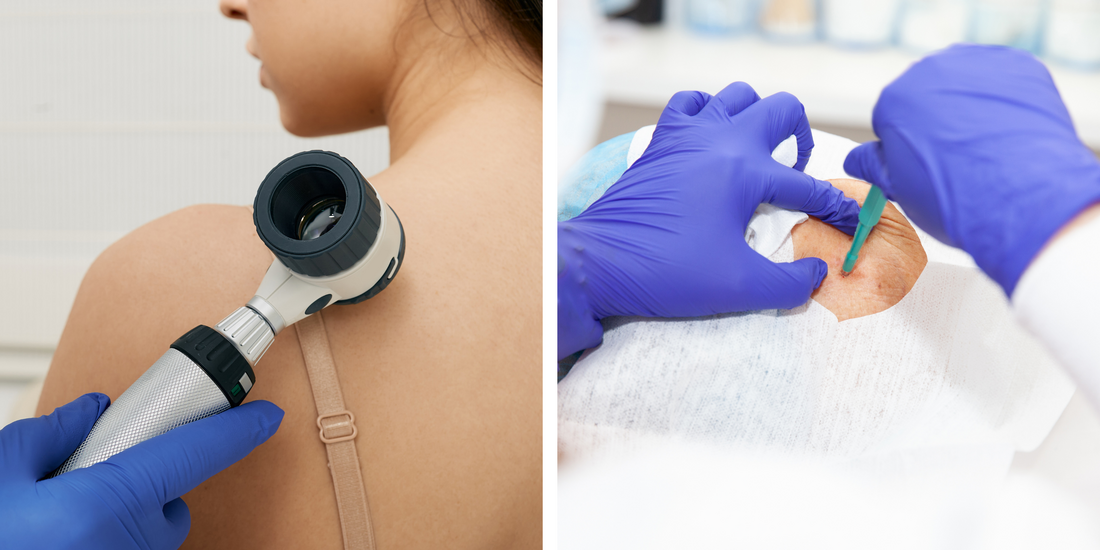
Skin Checks
|
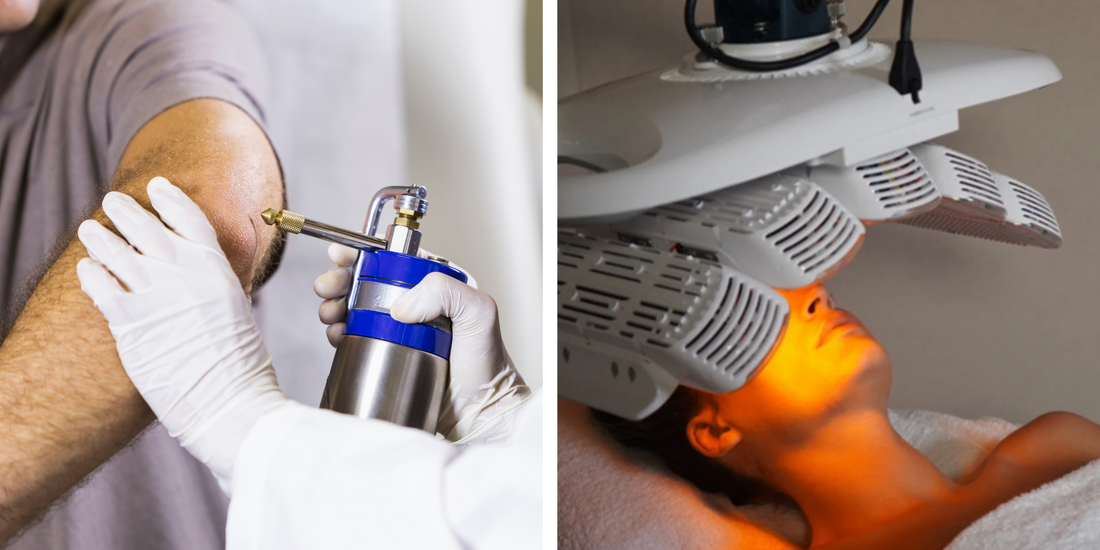
Non-Surgical Treatments
|
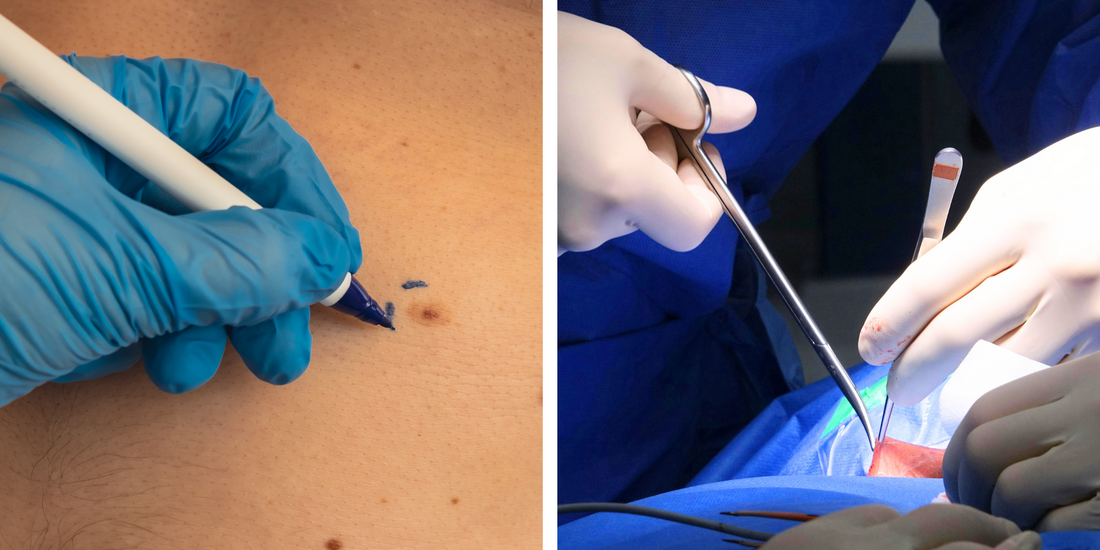
Surgical Procedures
|
1. Preparing for your skin check
A skin check is an important step in looking after your health and detecting skin cancer early.
Please arrive 15 minutes prior to your appointment to check-in and fill out the new patient/skin check questionnaire.
To help your doctor examine your skin thoroughly and accurately, please note the following:
1. Accessories, skin and hair products
Please arrive 15 minutes prior to your appointment to check-in and fill out the new patient/skin check questionnaire.
To help your doctor examine your skin thoroughly and accurately, please note the following:
1. Accessories, skin and hair products
- Please remove make-up, fake tan, and nail polish prior to your appointment. These can hide skin spots or make it difficult to assess your skin accurately.
- Your doctor may need to part your hair to examine the scalp or check behind your ears. Try to avoid heavy hair products or hairstyles that cover the scalp.
- Take off any rings, watches, or necklaces before your appointment so that all skin surfaces can be properly examined.
- Choose loose-fitting clothing that’s easy to remove and put back on.
- Undergarments (underwear, bras) will remain on for the skin check. Please let your doctor know if you have a concerning lesion on a sensitive area that may need to be examined.
- A sheet will be available for comfort and privacy during the skin check.
- If you have noticed any new, changing, or concerning spots: write down their locations or take photos to show your doctor.
- Please bring a list of your medications (including prescription, over the counter, supplements, and natural/herbal therapies).
- A list of your allergies (especially to medications, adhesives, anaesthetic agents, antibiotics, topical agents, or antiseptics).
- Your medical history (if you are not already well-known to the clinic).
- Bringing previous skin pathology results or information about past skin treatments is also helpful.
2. Preparing for your procedure
Skin procedures can be performed under local anaesthetic at the clinic.
Here’s how to prepare so that your visit runs smoothly:
1. Preparation
Here’s how to prepare so that your visit runs smoothly:
1. Preparation
- Please shower in the morning before your procedure.
- Do not apply make-up, perfume, moisturiser, sunscreen, or fake tan to the area.
- Avoid shaving the area within 48hr before surgery, as this can cause micro-cuts and infection.
- Wear loose, comfortable clothing that allows easy access to the surgical site, and will not cause rubbing afterwards.
- Prior to your arrival, remove any jewellery that is nearby the surgical area.
- You do not need to fast before your procedure. It’s best to have a light meal and drink water beforehand to help you feel comfortable and reduce the chance of feeling faint.
- Take your medications as usual, unless advised otherwise.
- If you take blood thinners (e.g. aspirin, warfarin, clopidogrel, apixaban, rivaroxaban), you may continue these, unless you have been specifically instructed by your doctor to withhold them for the procedure.
- Certain body areas and specific procedures carry a higher risk of infection. If your doctor has prescribed preventative antibiotics, it is critical that you take them as directed.
- Avoid heavy lifting, strenuous activity, and bending or stretching that may put strain on the wound.
- Plan for a quiet day after your procedure, especially if the surgery is large or in a high-tension area.
- Arrange transport *if advised by your doctor (most patients can drive afterwards). If your procedure involves a larger excision, flap, or graft, or if you feel anxious about medical procedures, you may prefer to arrange a lift home.
- You will need to keep the surgical site dry for 2-3 days following the procedure (or longer if a skin graft is performed - usually 12-14 days).
- If a graft or flap is performed, you will have an additional wound check appointment at the clinic.
- External sutures (*if used) will have an appointment for removal (between 7-14 days depending on the area).
- You must refrain from water submersion (swimming/baths/spas) during the entire post-operative period).
- A 3-month review appointment is recommended; to check the scar/outcome, and your skin for any new lesions.
- The area will first be numbed with a local anaesthetic injection.
- You may feel pressure and pulling (but no pain) during the procedure.
- A dressing will be applied, and you will receive clear aftercare instructions and follow-up appointments.
- Results will be discussed with you, and any further treatment (if necessary) will be discussed.
- These are routine procedures performed every day in clinic. The team will guide you through each step, answer your questions, and make sure you are comfortable from start to finish.
Treatments and Risks
Individual outcomes may differ, and depend on factors such as age, genetics, medical conditions and lifestyle.
All medical treatments and surgical procedures come with potential risks, and require appropriate healing time and aftercare.
It is important to research your options carefully and consider obtaining a second opinion before making treatment decisions.
The information provided on this site is general in nature only. Consult with your doctor for medical advice.
Skin checks
A head-to-toe assessment of all your moles and skin spots. Your skin will be examined by your doctor thoroughly using a dermatoscope, which provides light and 10-fold magnification.
Risks: Some skin cancers may be difficult to detect, or may be missed. This can occur if they are very small, early skin cancers, not pigmented, appear similar to benign lesions, or are located in an area that is difficult to examine.
While dermoscopy greatly improves accuracy, no skin examination is 100% perfect. For this reason, patients are encouraged to return for regular follow-ups and to seek review sooner if they notice any new, changing, or symptomatic spots between visits.
Biopsies
Local anaesthetic is used to numb the area, then a small sample of skin is taken and sent to the lab to confirm the diagnosis. The area is expected to heal within 7-14 days, depending on the type of biopsy.
Cryotherapy
Liquid nitrogen is used to freeze and destroy sun-damaged or cancerous skin cells. Local anaesthetic is not required. A cold sensation will be felt during the treatment. After the treatment, a blister and then scab may form on the skin, before healing completely.
Risks: Bleeding, infection, scarring, damage to underlying structures, discomfort, or incompletely cured cancer.
Hair loss and hypo/hyperpigmentation (skin pigment changes) can occur on the area treated.
Curettage and Cautery
Local anaesthetic is used to numb the area, then the skin lesion is gently scraped away with a currette tool. The base of the lesion is then treated using a hyfrecator (electrosurgical device) to control bleeding and destroy any remaining abnormal cells.
Risks: Bleeding, infection, scarring, damage to underlying structures, discomfort, incompletely cured cancer.
Topical Therapies
Topical prescription creams target and kill sun damaged and cancerous skin cells. The creams are used for several weeks, and skin redness and irritation is expected during the treatment course. The skin usually returns to normal after a few weeks. Sunscreen use is essential to protect the skin during and after the treatment.
Photodynamic Therapy (PDT)
A special light-activated (photosensitive) cream is applied to the treatment area. After a waiting period, the site is treated with a light source, and the chemical reaction targets and destroys damaged cells. Skin redness and irritation is expected after the treatment, with a healing time of approximately 1-2 weeks. Sunscreen use is essential to protect the skin after treatment.
Risks: Redness, irritation, peeling, erosion, scarring, hypo/hyperpigmentation, discomfort, allergic reaction or incomplete response.
Skin Cancer Excisions
Local anaesthetic is used to numb the area, then the skin cancer is excised with an appropriate margin of surrounding skin. The specimen is sent to the lab to confirm whether the cancer has been completely removed. Internal +/- external stitches are placed to close the wound, then a dressing is placed. Preventative antibiotics may be prescribed for certain cases. Wound check, suture removal and follow-up appointments will be made.
All medical treatments and surgical procedures come with potential risks, and require appropriate healing time and aftercare.
It is important to research your options carefully and consider obtaining a second opinion before making treatment decisions.
The information provided on this site is general in nature only. Consult with your doctor for medical advice.
Skin checks
A head-to-toe assessment of all your moles and skin spots. Your skin will be examined by your doctor thoroughly using a dermatoscope, which provides light and 10-fold magnification.
Risks: Some skin cancers may be difficult to detect, or may be missed. This can occur if they are very small, early skin cancers, not pigmented, appear similar to benign lesions, or are located in an area that is difficult to examine.
While dermoscopy greatly improves accuracy, no skin examination is 100% perfect. For this reason, patients are encouraged to return for regular follow-ups and to seek review sooner if they notice any new, changing, or symptomatic spots between visits.
Biopsies
Local anaesthetic is used to numb the area, then a small sample of skin is taken and sent to the lab to confirm the diagnosis. The area is expected to heal within 7-14 days, depending on the type of biopsy.
- Punch biopsy: A tiny circular tool removes a small core of skin, usually 2-4mm in size.
- Shave biopsy: The skin lesion is sampled by shaving away the top layer with a blade.
- Excisional biopsy: The entire spot is excised if it appears highly suspicious for melanoma or other invasive skin cancer.
Cryotherapy
Liquid nitrogen is used to freeze and destroy sun-damaged or cancerous skin cells. Local anaesthetic is not required. A cold sensation will be felt during the treatment. After the treatment, a blister and then scab may form on the skin, before healing completely.
Risks: Bleeding, infection, scarring, damage to underlying structures, discomfort, or incompletely cured cancer.
Hair loss and hypo/hyperpigmentation (skin pigment changes) can occur on the area treated.
Curettage and Cautery
Local anaesthetic is used to numb the area, then the skin lesion is gently scraped away with a currette tool. The base of the lesion is then treated using a hyfrecator (electrosurgical device) to control bleeding and destroy any remaining abnormal cells.
Risks: Bleeding, infection, scarring, damage to underlying structures, discomfort, incompletely cured cancer.
Topical Therapies
Topical prescription creams target and kill sun damaged and cancerous skin cells. The creams are used for several weeks, and skin redness and irritation is expected during the treatment course. The skin usually returns to normal after a few weeks. Sunscreen use is essential to protect the skin during and after the treatment.
- Tolak (4% fluorouracil)
- Efudix (5% fluorouracil)
- Aldara (Imiquimod)
Photodynamic Therapy (PDT)
A special light-activated (photosensitive) cream is applied to the treatment area. After a waiting period, the site is treated with a light source, and the chemical reaction targets and destroys damaged cells. Skin redness and irritation is expected after the treatment, with a healing time of approximately 1-2 weeks. Sunscreen use is essential to protect the skin after treatment.
Risks: Redness, irritation, peeling, erosion, scarring, hypo/hyperpigmentation, discomfort, allergic reaction or incomplete response.
Skin Cancer Excisions
Local anaesthetic is used to numb the area, then the skin cancer is excised with an appropriate margin of surrounding skin. The specimen is sent to the lab to confirm whether the cancer has been completely removed. Internal +/- external stitches are placed to close the wound, then a dressing is placed. Preventative antibiotics may be prescribed for certain cases. Wound check, suture removal and follow-up appointments will be made.
- Simple excision: The skin cancer is excised and the wound is closed, leaving behind a simple linear scar.
- Skin flap: Nearby skin is mobilised and moved or rotated to cover the original wound from the skin cancer excision. These are useful for larger wounds, areas of tight skin, or to help preserve skin shape and function.
- Skin graft: Healthy skin is taken from another part of the body and transplanted to cover the wound after skin cancer removal. These are useful for larger wounds or areas of tight skin, where it is not possible to close original wound edges back together.